Our History
More than a century of unity,
advocacy, and growth
OUR history
Key Milestones
Discover more



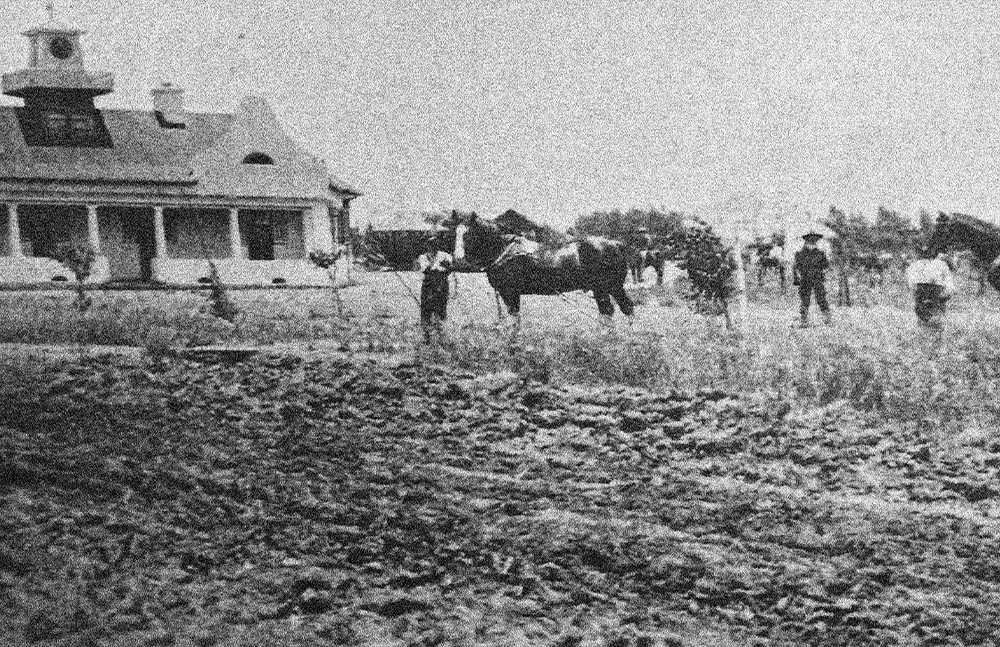
The roots of AgriSA trace back to 1896
Farmers at the Natal Farmers’ Conference (today known as Kwanalu) voiced the need for a unified, federal structure to represent their interests. This vision gained momentum at a landmark gathering in Bloemfontein in December 1903, where agricultural leaders from across the colonies called for greater national unity among farming communities.
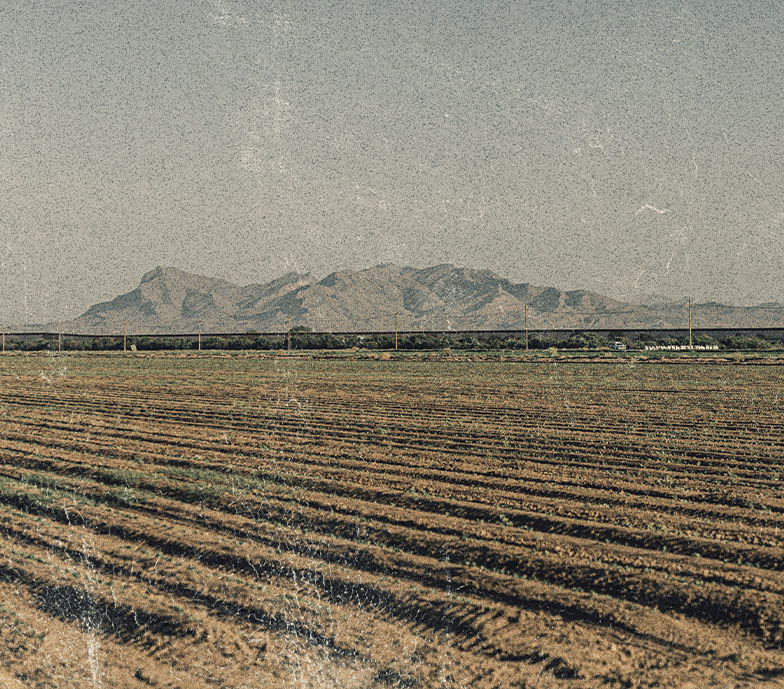
That vision became reality at a conference held from 25 to 29 June 1904 in Pretoria
the South African Agricultural Union (SAAU) – then called the Inter-colonial Agricultural Union of South Africa – was officially established. Delegates from the Cape Colony, Natal, Transvaal, Orange River Colony, and Rhodesia adopted the founding resolution to create a central union that would serve as a national voice for all agricultural producers in British South Africa.
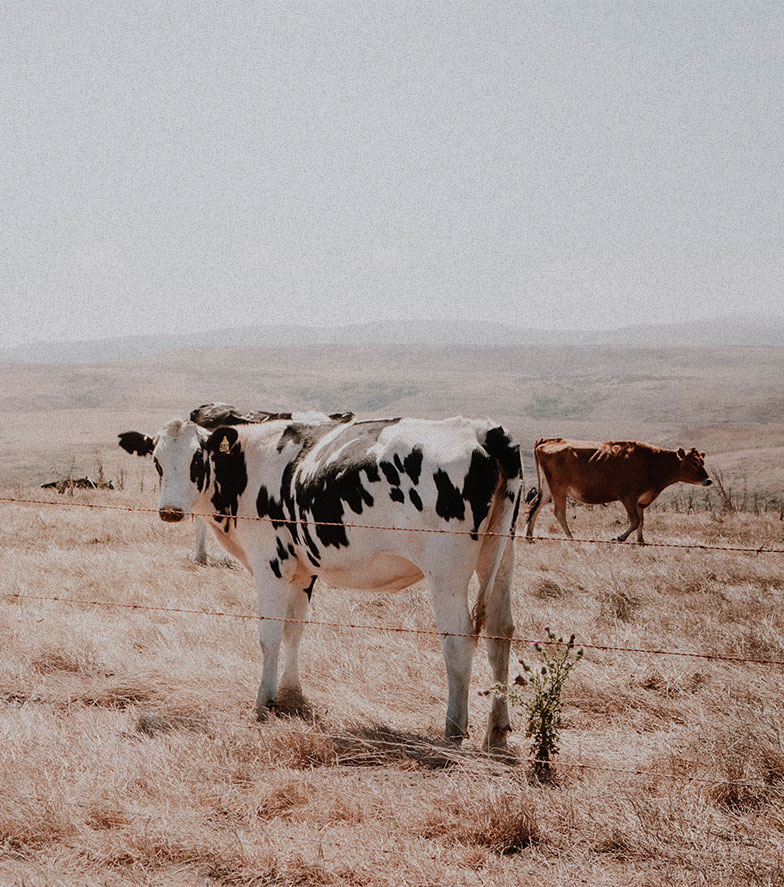
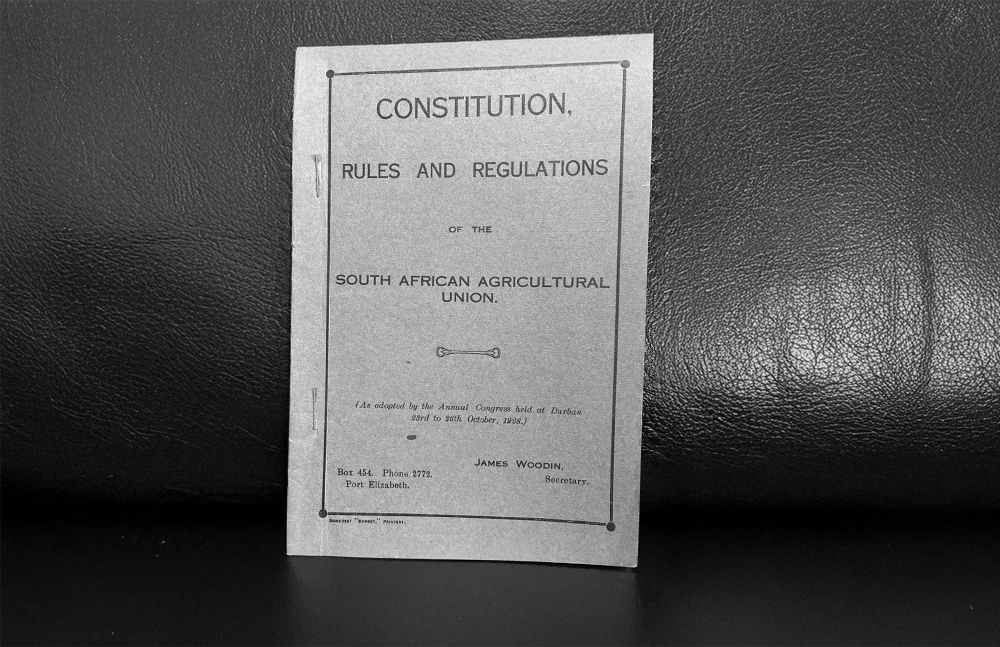
For decades, the SAAU served as a powerful federation representing provincial unions, commodity groups, and cooperatives.
Its federated structure ensured diverse farmer representation through three chambers: Provincial, Commodity, and Agribusiness. It tackled key national issues including land, natural resources, rural safety, labour, and trade, and became widely recognised by successive governments as the official voice of South Africa’s farming community.
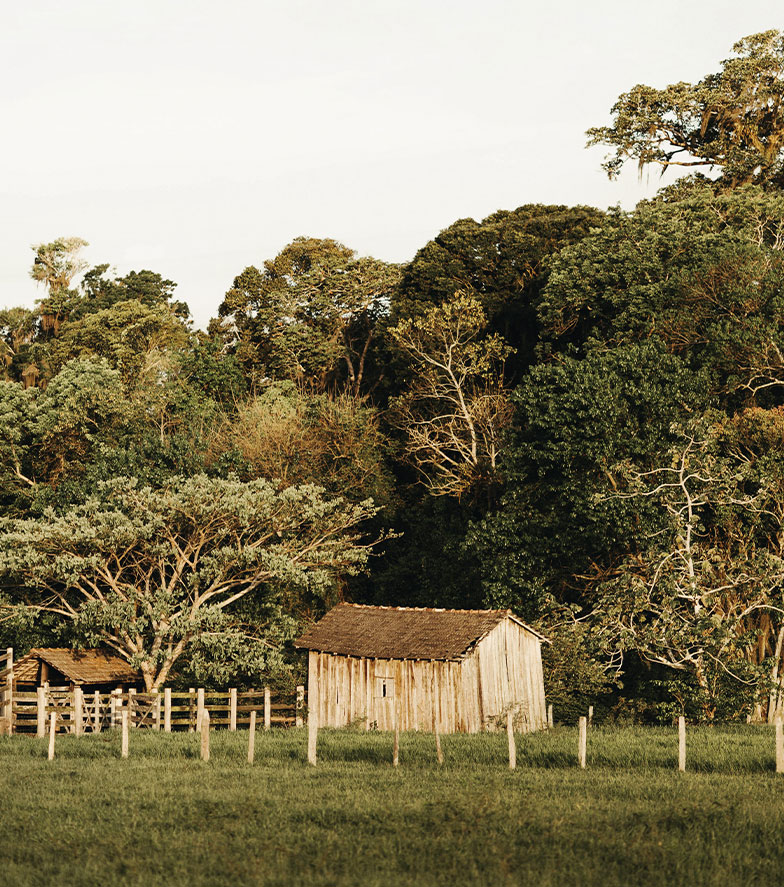
Democratic transition
Following the democratic transition in 1994 and changes to the provincial landscape, the Transvaal Agricultural Union chose to operate independently and today exists as TAU SA. In 1999, reflecting the need for modernisation and a renewed national identity, the SAAU was renamed Agri South Africa (AgriSA). Later, in 2002, the Agribusiness Chamber branched off to form Agbiz, now the independent voice of cooperatives and agribusinesses.
Today, AgriSA is one of the country’s most influential advocacy organisations in the South African food system
As a federation, it brings together provincial organizations, 21 commodity associations, and 53 corporate members to speak with unity and purpose, securing a sustainable future for farmers and all South Africans.